 admin
admin Labour camp accommodation
Labour camp accommodation is an essential consideration for companies and workers in industries such as construction, oil and gas, and large-scale infrastructure projects. For many employers, understanding the costs associated with providing suitable housing for employees is crucial for budgeting and operational planning. One of the most frequently asked questions is: what’s the average cost of labour camp accommodation? While the answer depends on multiple factors, there are some general trends that can help both workers and organizations estimate expenses more accurately.
The cost of labour camp accommodation varies significantly depending on location. In metropolitan or highly urbanized areas, accommodation costs tend to be higher due to the price of land, construction, and amenities. Conversely, camps situated in more remote areas may have lower operational costs, but expenses for transportation, utilities, and staff services can offset the savings. Additionally, the type of labour camp accommodation—whether it is basic dormitory-style housing or more modern, fully-equipped units—plays a pivotal role in determining overall costs.
Another important factor influencing the cost of labour camp accommodation is the quality and scale of facilities. Camps designed for large numbers of workers often include shared facilities such as dining halls, recreation rooms, and laundry services. While these shared amenities help reduce individual costs per worker, they require significant initial investment and ongoing maintenance. Conversely, smaller camps with private rooms or fewer shared facilities may offer more comfort but at a higher per-person expense. Companies must weigh the balance between comfort, safety, and budget when deciding on the level of investment in accommodation.
Labour camp accommodation also involves variable costs that fluctuate with market conditions. For instance, fuel prices, water supply, and electricity rates can affect monthly operational expenses. Seasonal variations can also impact costs; in extreme climates, additional heating or cooling measures may be necessary to ensure the safety and comfort of workers. These factors collectively contribute to the overall average cost of labour camp accommodation, making it essential for employers to adopt flexible budgeting strategies rather than relying on fixed figures.
Labour camp accommodation costs are not limited to the physical structures alone. Staffing requirements for cleaning, security, maintenance, and catering services also contribute significantly to overall expenditure. High-quality management of camps ensures that workers have a safe and hygienic living environment, which can improve productivity and reduce turnover rates. Companies investing in well-managed accommodation often find that the benefits outweigh the additional operational costs, as satisfied workers tend to perform more efficiently.
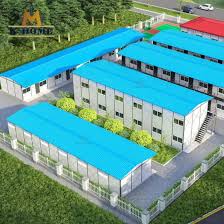
What’s the average cost of labour camp accommodation?
Transportation is another aspect that can influence the average cost of labour camp accommodation. Camps located far from project sites often require shuttle services or transportation allowances, which increase the overall expense. Strategically locating camps closer to work sites can help reduce travel-related costs and improve worker satisfaction. However, proximity to urban centers may increase land and construction costs, creating a trade-off that companies need to evaluate carefully.
Labour camp accommodation can also vary depending on regulatory requirements in different regions or countries. Some governments mandate specific standards for worker housing, including minimum space per person, sanitation facilities, and safety measures. Compliance with these regulations can increase costs but is necessary to avoid legal issues and ensure worker welfare. Companies that proactively invest in compliant and high-standard accommodation often find themselves more attractive to skilled workers, enhancing recruitment and retention efforts.
Insurance and contingency planning further contribute to the cost structure of labour camp accommodation. Camps located in areas prone to natural disasters or other risks may require additional insurance coverage and emergency preparedness measures. While these expenses may appear secondary, they form an integral part of the total cost and must be accounted for when calculating the average cost per worker. Proper risk management not only protects company assets but also ensures uninterrupted operations in challenging environments.
Despite the various factors affecting the cost, there are some estimates that provide a general benchmark. On average, basic labour camp accommodation can cost anywhere from $100 to $300 per month per worker, depending on the region and facilities provided. More advanced or luxury accommodations can rise significantly higher, sometimes exceeding $500 per month per worker. These figures include basic utilities, food provisions, and essential services but may exclude transportation, insurance, or other supplementary costs. Understanding these ranges allows companies to plan their budgets more accurately while considering the specific needs of their workforce.
Labour camp accommodation plays a vital role in supporting large-scale projects by ensuring that workers have a safe, comfortable, and accessible living environment. The average cost of providing such accommodation depends on multiple interconnected factors, including location, facilities, regulatory requirements, and operational considerations. Companies that carefully evaluate these aspects and adopt strategic planning can manage expenses effectively while maintaining high standards for worker welfare. In conclusion, while the cost of labour camp accommodation varies widely, careful planning, adherence to regulations, and attention to worker needs can help achieve a balance between affordability and quality, ultimately supporting the success of any large-scale project.